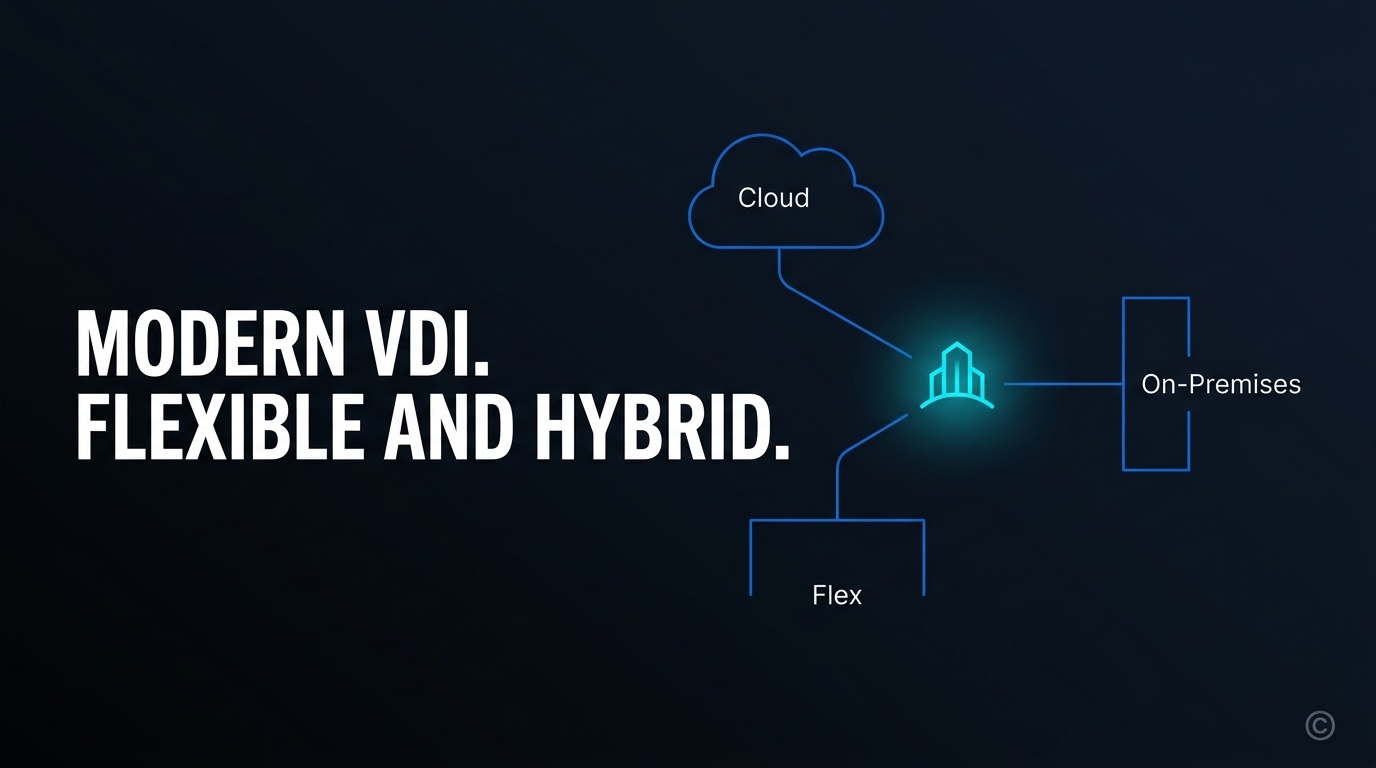
A cloud exit strategy is not a retreat plan. It is the architecture discipline that preserves leverage, resilience, and infrastructure sovereignty.
A cloud exit strategy is often misunderstood. Good exit planning is not a sign that you expect failure. It is the governance discipline that proves you still control placement, risk, and commercial leverage in your estate.
In 2026, that matters more because the old all-in cloud narrative has given way to a more selective operating model. Hybrid and multicloud are now practical responses to resilience, data sovereignty, performance, and workload fit rather than ideology.
From cloud-first to cloud-smart
Microsoft's current hybrid and multicloud guidance is much closer to cloud-smart than cloud-first. The emphasis is on aligning workload placement to business goals, defining a deliberate cloud mix, and using Azure as a unifying management plane where that approach makes sense.
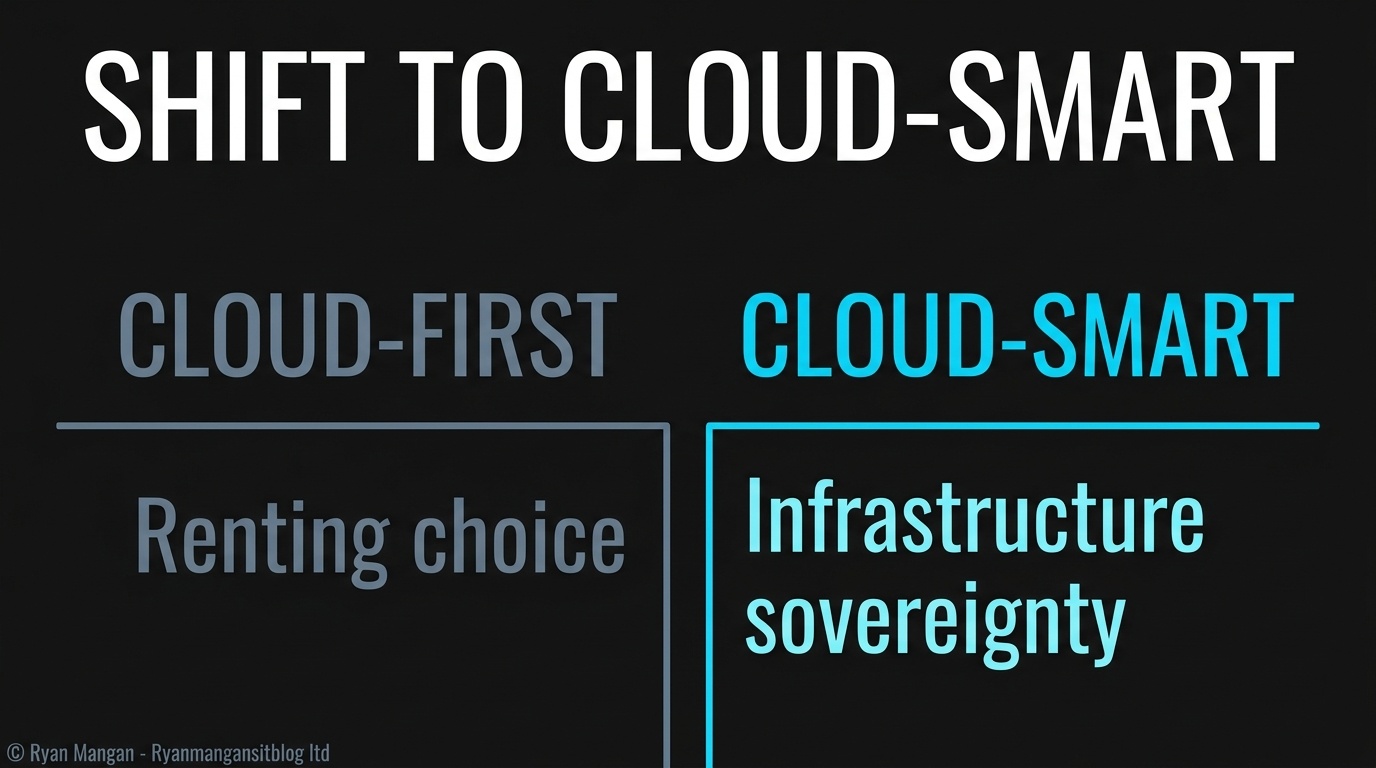
That shift changes the way exit planning should be discussed:
- An exit plan is not a promise to leave.
- An exit plan is a way to preserve optionality.
- The real objective is to avoid unmanaged concentration risk and unsupported dependency chains.
What realistic exit planning looks like
Effective exit planning is narrower and more practical than most board slides suggest. It should focus first on critical services and the threat scenarios that would make a migration, fallback, or transition necessary.
The lifecycle can be treated as a repeating operating discipline:
- Planning and analysis.
- Risk assessment.
- Exit strategy selection.
- Future-state definition.
- Migration planning.
- Testing.
- Ongoing update.
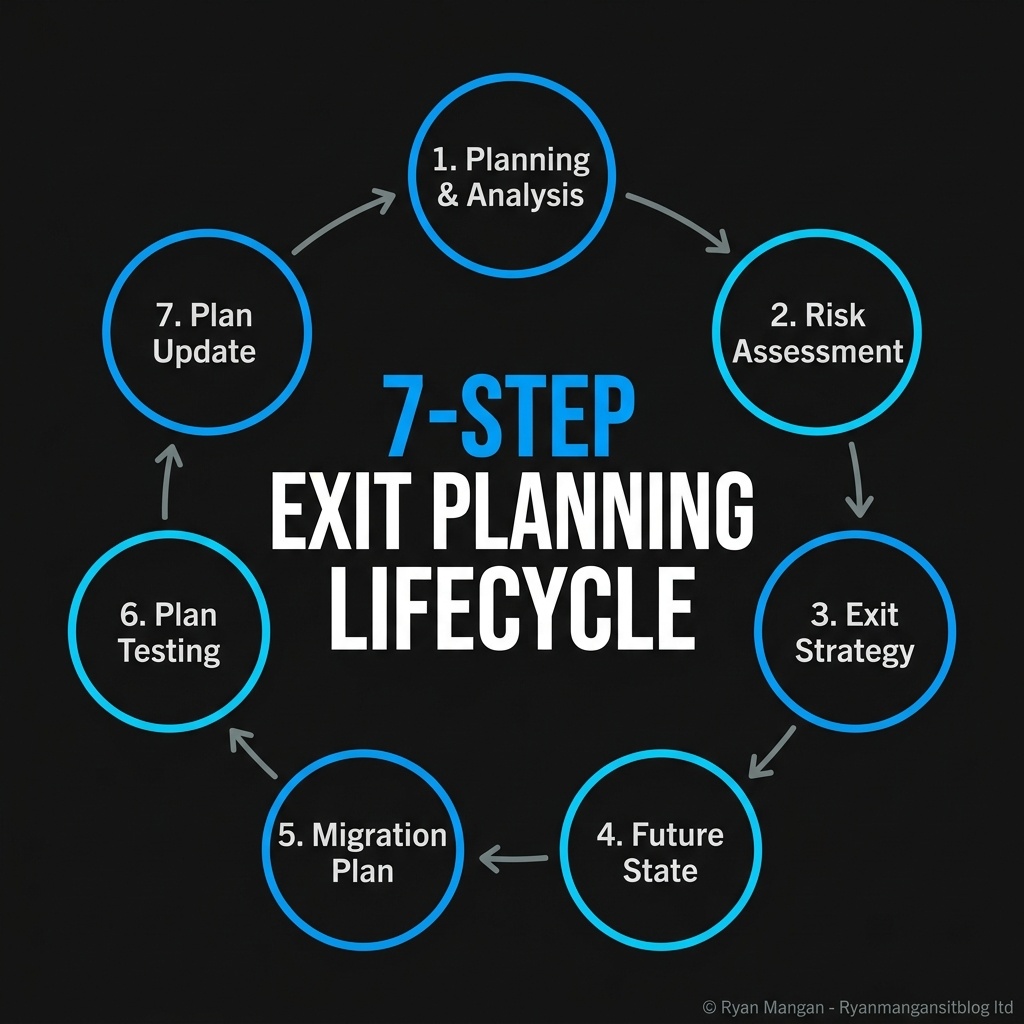
This is also the correction to the backup-plan narrative. Business continuity, resilience engineering, and exit planning are related, but they are not interchangeable. Resilience reduces the likelihood and impact of disruption. Exit planning addresses the harder scenario where the provider relationship itself becomes the problem.
Where the value lies for architects
If you want this to be useful in practice, three principles matter.
Focus on critical functions
Do not waste time building heavyweight exit plans for everything. Start with the workloads that would materially affect revenue, service delivery, compliance, or customer trust.
Standardize the control plane
If hybrid is part of your strategy, unify governance, observability, and policy across environments. Azure Arc, Azure landing zones, Azure Monitor, Defender for Cloud, and related services matter here because they reduce the operational friction of governing or relocating workloads outside a single-cloud boundary.
Price lock-in honestly
The goal is not to ban every proprietary service. The goal is to understand the cost of changing direction before you are forced to change direction. Sometimes a cloud-native service is absolutely worth using. But the recovery path, data handling model, contract terms, and migration dependencies should be documented while the decision is still voluntary.
Bottom line
The best cloud exit plan is usually the one you never execute. But if it does not exist, your architecture is carrying hidden business risk whether or not anyone has named it yet.
Cloud-smart organizations do not design only for adoption. They design for continued freedom of movement.