Windows 365 changes the user failure domain, but that does not mean multi-session is obsolete.
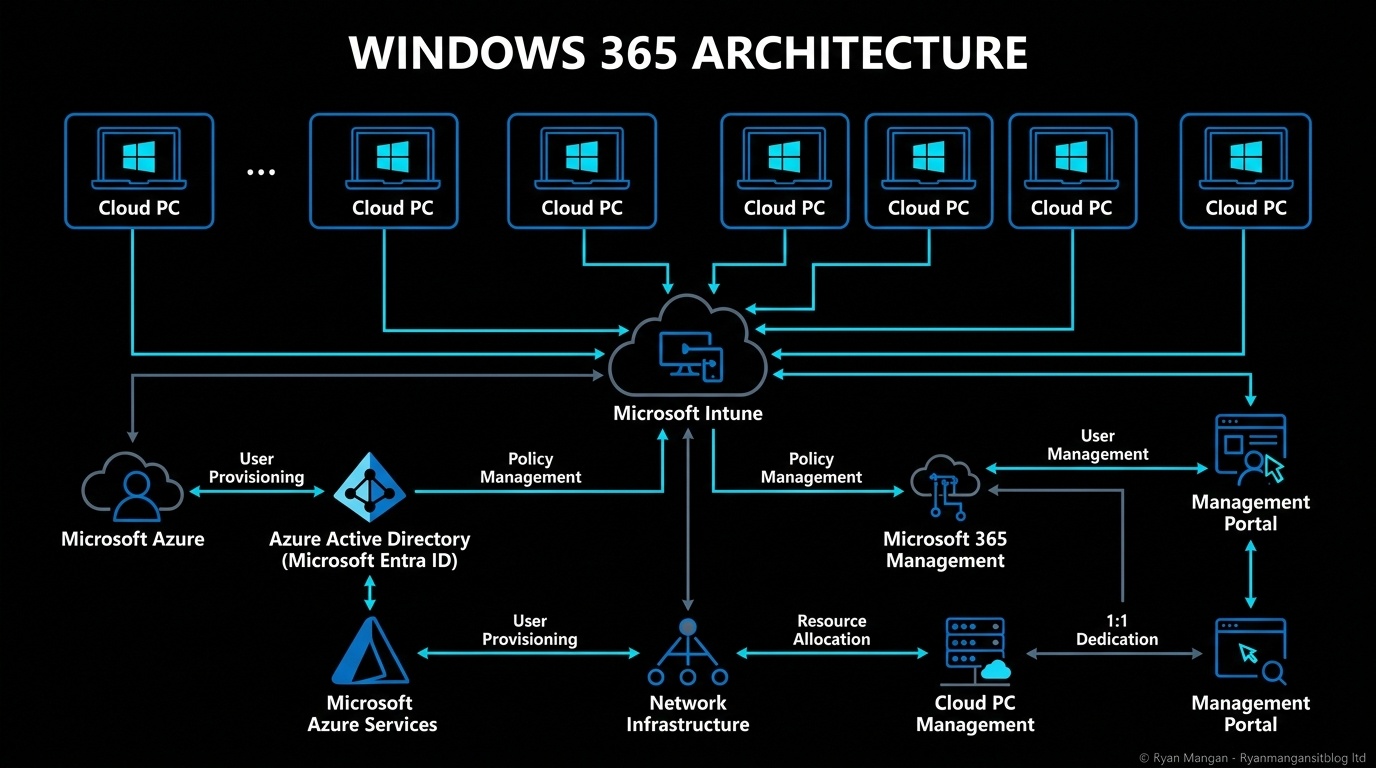
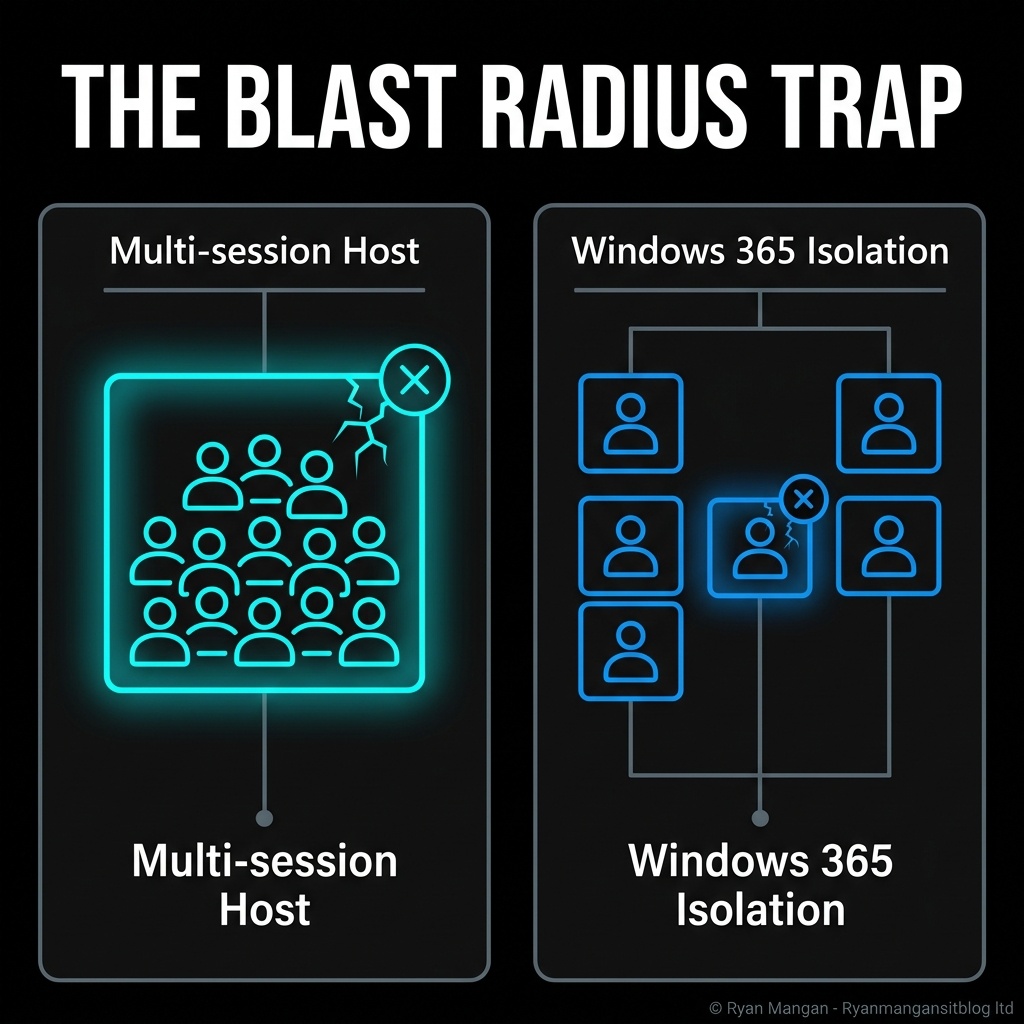
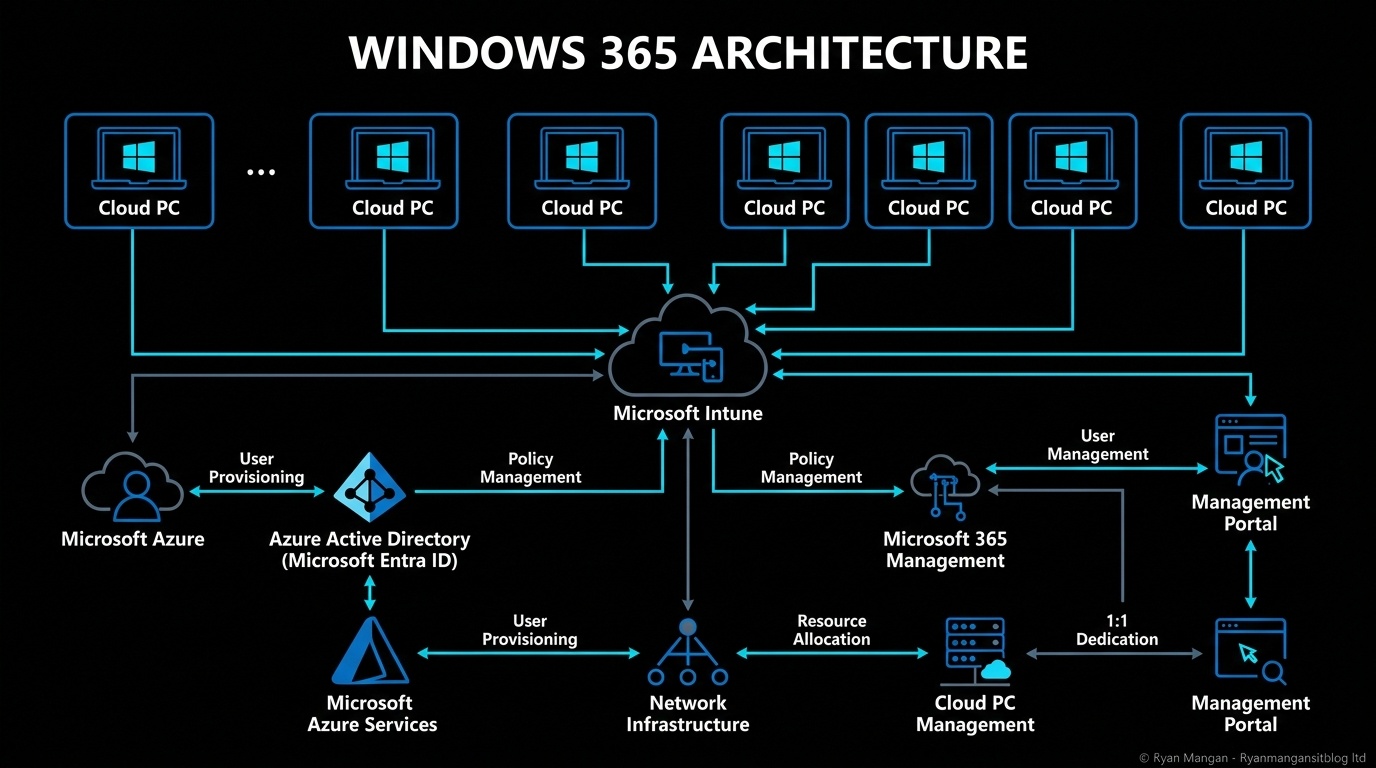
One of the biggest architectural differences between Windows 365 and traditional shared-session desktop models is the failure domain. A Windows 365 Enterprise Cloud PC is a dedicated, single-user machine. That means one user's application conflict, corrupt profile, or bad configuration change is far less likely to become everyone else's outage.
That is a real advantage. It is also where a lot of the marketing shorthand goes wrong.
What dedicated Cloud PCs actually improve
Dedicated Cloud PCs improve three things immediately:
- User-to-user isolation.
- Performance consistency.
- Troubleshooting scope.
In a shared-session model, users compete for the same host resources and share the same operating system instance. That is efficient, but it also means contention and instability can spread more easily across users on the same platform. In a dedicated Cloud PC model, the unit of impact is smaller because the desktop is assigned to one person.
That makes support more surgical. Resetting, reprovisioning, or restoring one Cloud PC does not imply rolling back a whole host full of users.
What it does not improve
What Windows 365 does not do is reduce the blast radius to zero.
You still depend on identity, networking, Microsoft service availability, application design, and management controls. A broken Conditional Access policy, a bad Intune assignment, or a line-of-business outage can still affect many users at once. Dedicated compute does not remove shared dependencies higher up the stack.
So the accurate architectural statement is this: Windows 365 reduces the per-user desktop failure domain. It does not eliminate shared service dependencies.
Why density is still a trade-off
For years, desktop virtualization teams were measured on density. More users per host meant lower apparent infrastructure cost. But density is only one side of the equation. The other side is operational risk.
High density increases the amount of impact tied to a single platform issue. Dedicated Cloud PCs move the trade-off in the other direction:
- Less user concentration per compute instance.
- Easier per-user recovery.
- Higher predictability for individual experience.
That is often a good trade for knowledge workers, privileged users, or teams where user downtime costs more than compute efficiency.
Why multi-session is still valid
This does not mean Azure Virtual Desktop multi-session or other shared models are obsolete. They remain strong options where the workload is standardized, the user base is task-oriented, and cost optimization matters more than personalization.
The right question is not "Which model wins?" It is "Which failure domain and cost model fit this user group?"
Use dedicated Cloud PCs when you want:
- Persistent personal desktops.
- Simpler per-user support boundaries.
- Predictable user performance.
Use shared-session models when you want:
- Higher consolidation.
- Lower per-user cost.
- Standardized task-worker experiences.
Bottom line
Density is not the same thing as resilience. Windows 365 is valuable because it changes the failure domain around the user desktop, not because it magically removes operational risk.
That is the real architectural case: smaller user-impact scope, simpler remediation, and a cleaner separation between one user's problem and the rest of the environment.