Windows 365 resilience is a mix of Microsoft-managed service design and customer-owned continuity decisions.
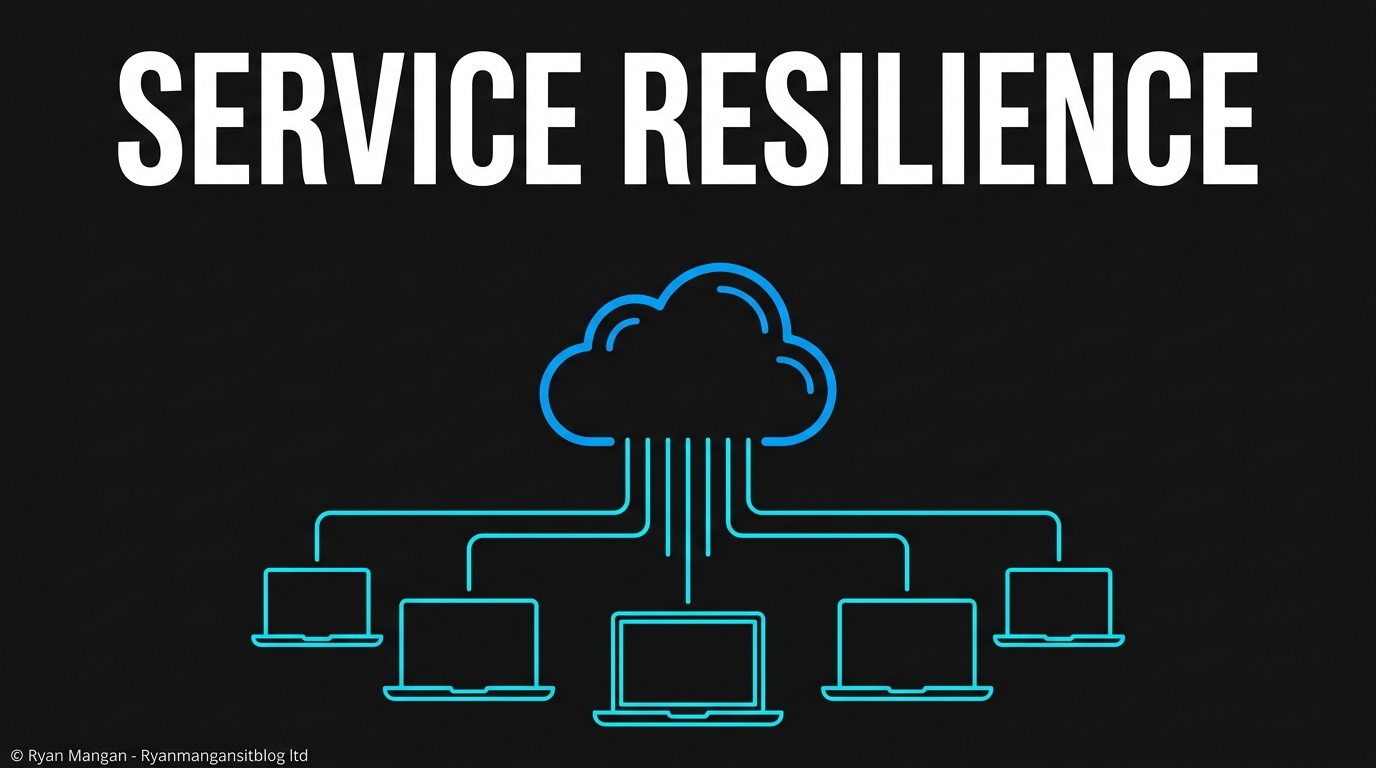
Windows 365 is a SaaS service, which changes how resilience should be discussed. Customers do not build the core control plane, broker, or management platform themselves, but that does not mean resilience becomes a Microsoft-only topic. The service is Microsoft-managed, while the end-to-end user experience is still shared responsibility.
That is the right lens for evaluating continuity.
What Microsoft manages
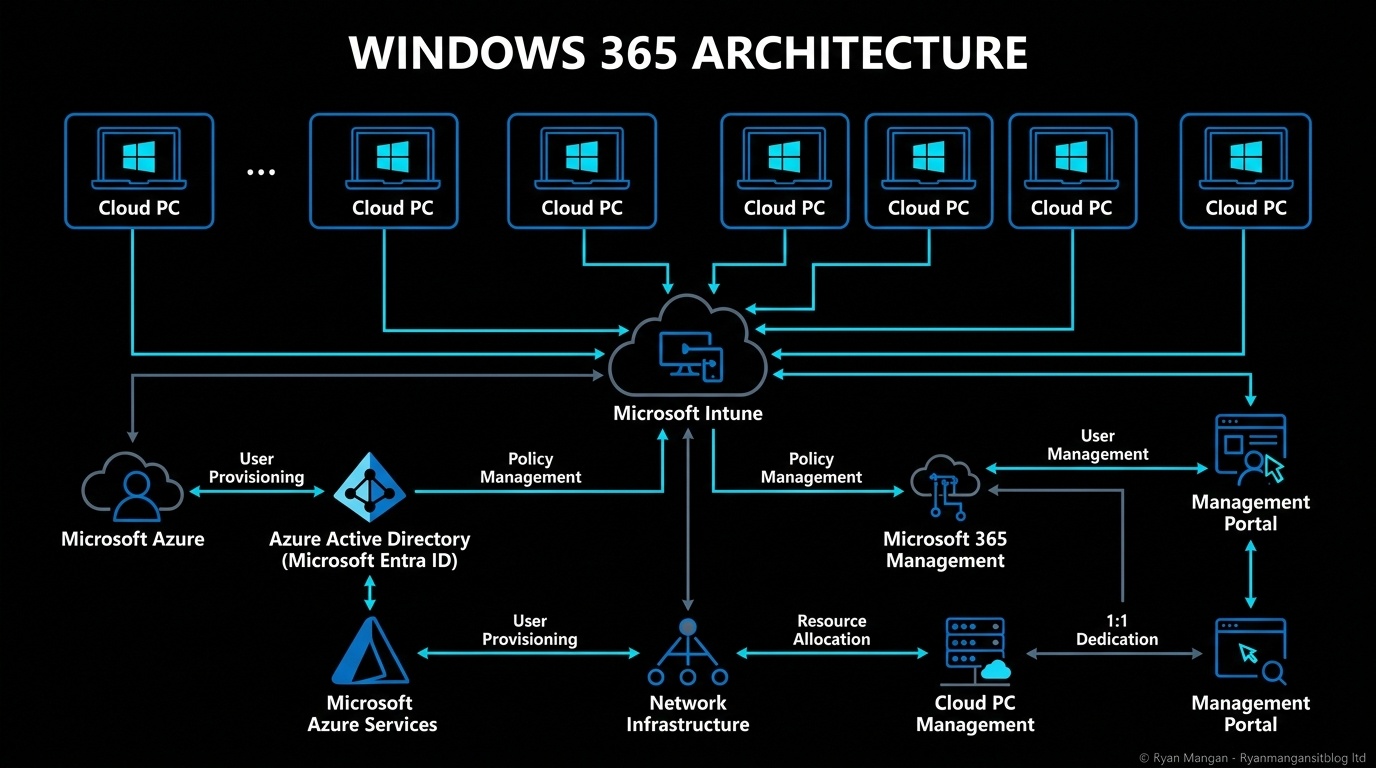
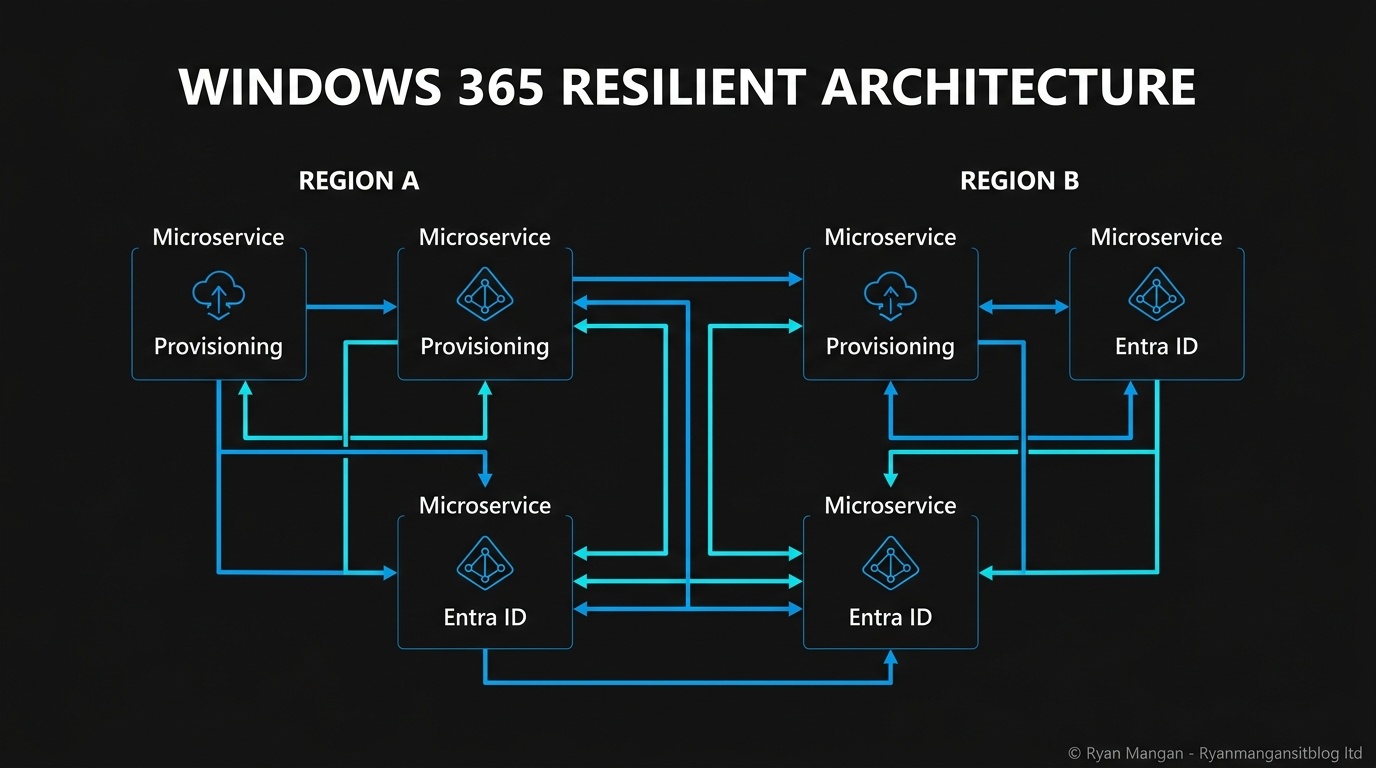
Microsoft documents that Windows 365 uses the Azure Virtual Desktop connectivity layer to connect users to Cloud PCs and that the service also relies on a set of dedicated Windows 365 microservices for provisioning, portals, diagnostics, monitoring, and related platform functions.
Those services are designed for resilience using standard Azure building blocks such as storage replication, regional replication, availability zones, and cross-region failover patterns. For the customer, the important takeaway is not every internal component name. It is that the platform is architected as a managed service rather than a customer-assembled VDI stack.
What that means for the Cloud PC
Each Cloud PC is still a single Azure virtual machine. So there are really two resilience conversations:
- Service resilience for the Windows 365 platform.
- Recovery options for the individual Cloud PC.
Windows 365 includes built-in resilience for underlying compute failures, but organizations still need a plan for user state, recovery expectations, and larger outage scenarios.
Where customers still own decisions
This is where many teams make the wrong assumption. A managed service does not remove design choices around continuity.
You still need to decide:
- Whether user data is stored in resilient services like OneDrive and SharePoint.
- Whether point-in-time restore should be part of the support model.
- Whether cross-region disaster recovery is necessary for critical users.
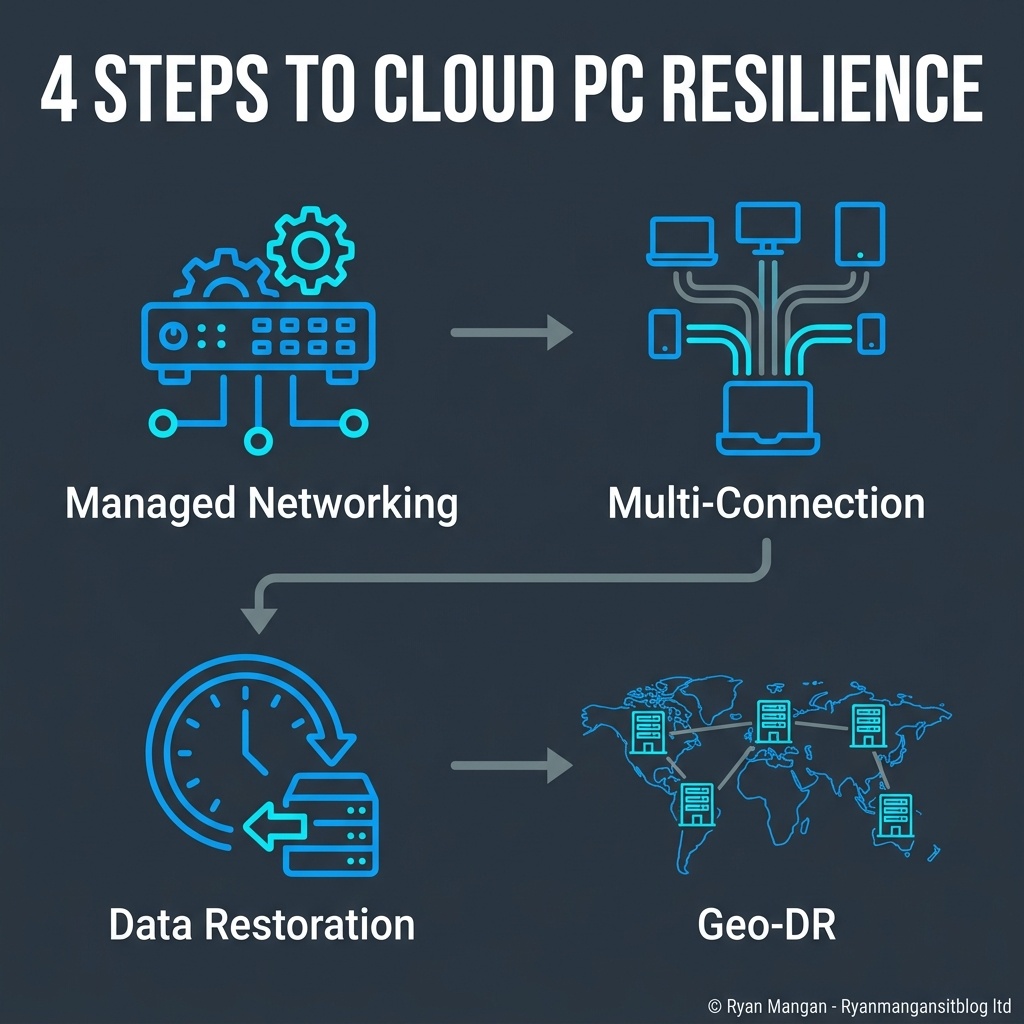
- Whether Microsoft-hosted networking or Azure Network Connections are the better fit.
Those choices change the real-world recovery experience far more than architecture diagrams do.
The networking and recovery angle
If simplicity and resilience are the priority, Microsoft-hosted network reduces customer-side failure points. If you need corporate routing, inspection, or on-premises access, Azure Network Connections can be the right answer, but they also add customer-managed dependencies. In that case, multiple prioritized ANCs become part of the resilience story.
For user recovery, point-in-time restore and cross-region disaster recovery are the more practical tools to evaluate. They solve different problems:
- Restore helps recover an individual Cloud PC state.
- Cross-region disaster recovery helps with broader regional disruption.
That distinction should be explicit in planning.
Bottom line
Windows 365 resilience is strongest when you combine Microsoft's managed service architecture with deliberate customer choices around networking, backup posture, and user data portability.
If you treat Windows 365 as "resilient by default, so no design work is needed," you miss the point. The platform reduces infrastructure burden. It does not remove the need for continuity planning.